Pest control built for Loxahatchee acreage homes & barns.
Loxahatchee isn't normal residential — it's acreage. 1.25-acre minimum lots, equestrian-adjacent homes, agricultural infrastructure, canal-side wildlife. Different pest pressure, different protocols. Wildlife removal is heavy here, fire ants in pasture turnouts, and mosquitoes off the wetland edges. We service The Acreage, Loxahatchee Groves, and the western Wellington fringe.
What's actually living on your Loxahatchee acreage.
Acreage homes have a different pest pressure than dense residential — more wildlife, more fire ants, more mosquitoes off the wetlands, and barn rodent issues for equestrian-adjacent properties.
#1 in Loxahatchee
Wildlife removal
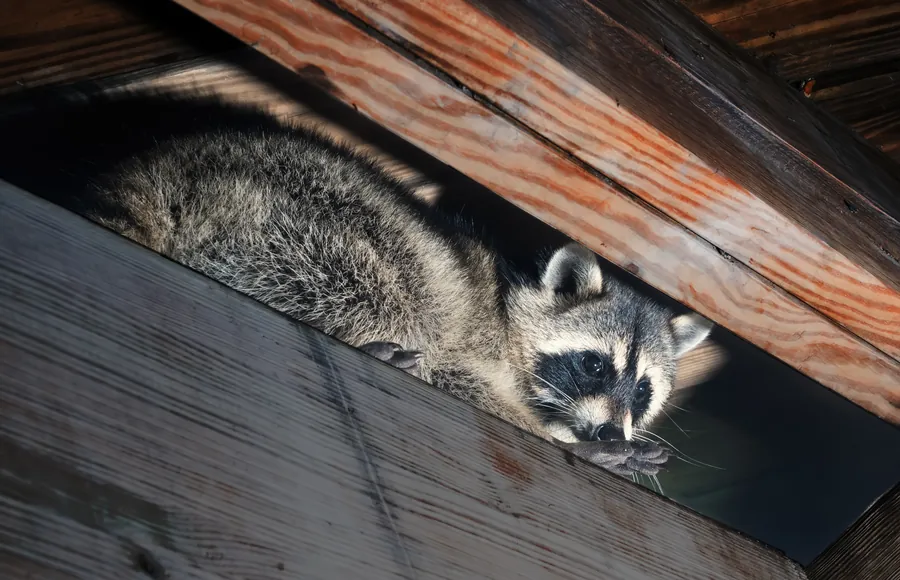
Acreage homes get more wildlife than dense residential — raccoons in trash, opossums in soffits, occasional feral hog or armadillo damage to lawns. Live trap, humane removal, FWC permit-coordinated. We never relocate protected species (bobcats, panthers — call FWC directly).
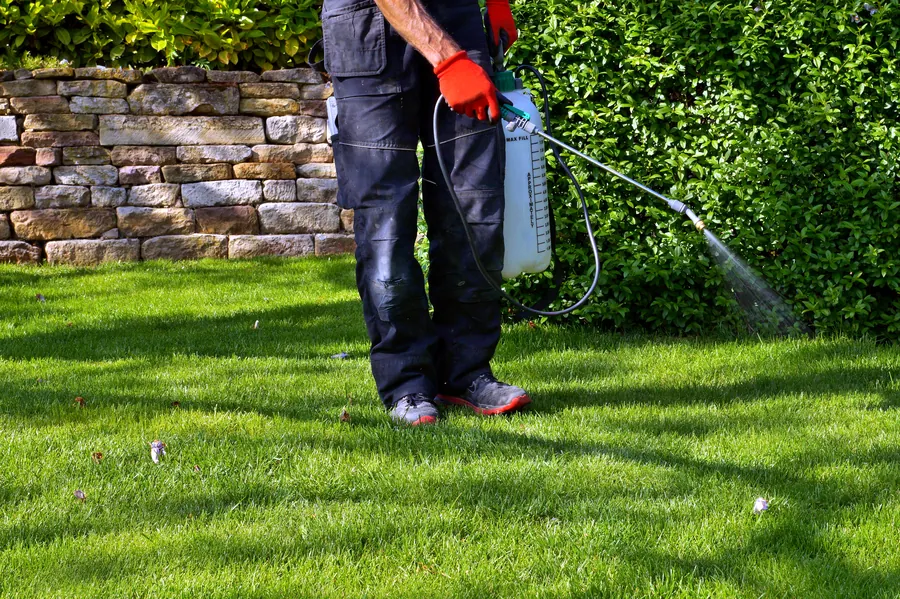
Fire ants in horse turnouts and around outbuildings are real safety issues. We broadcast Extinguish Plus across pasture acreage twice a year (March + September). Workers carry it back, queens die in 4–6 weeks. Pet-safe once dry.
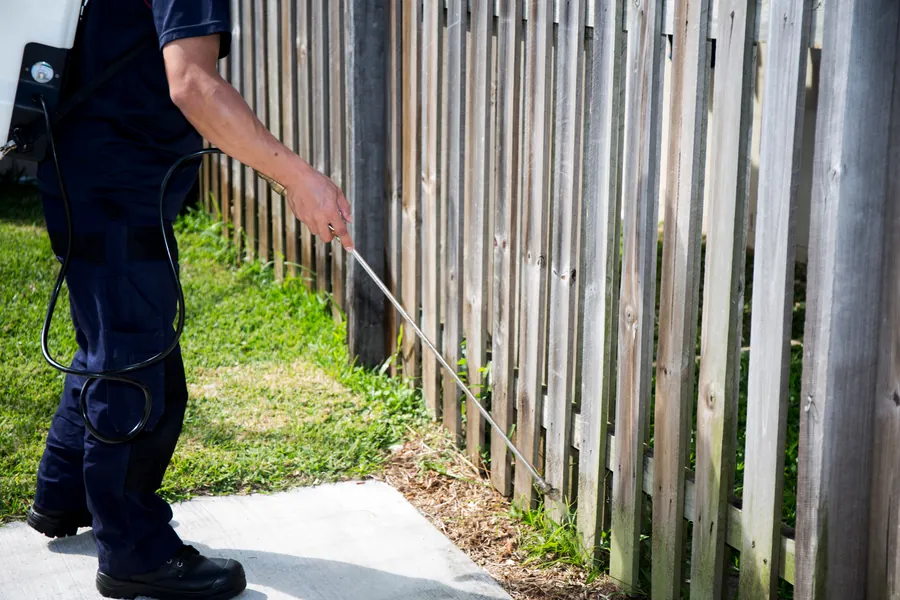
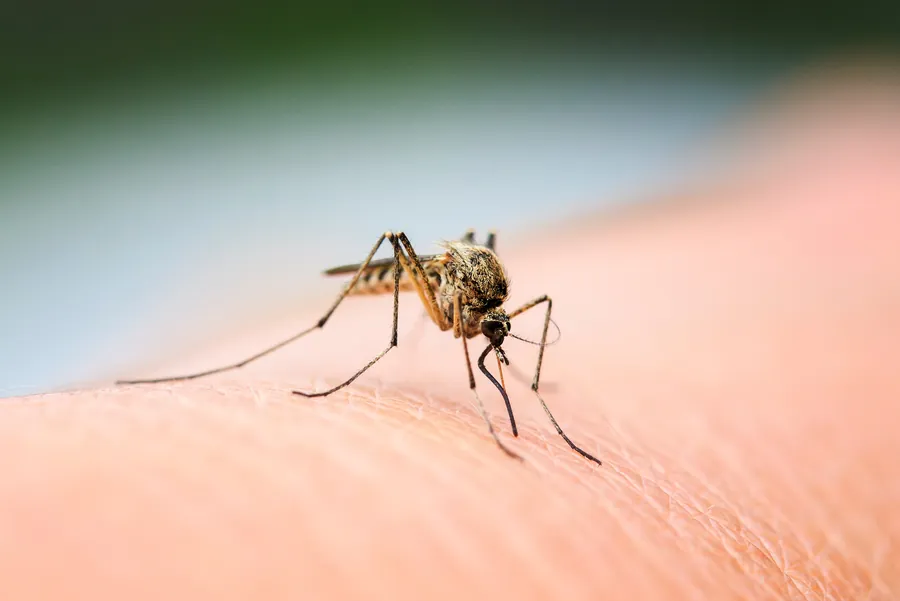
The Loxahatchee Slough and J.W. Corbett wetland edges generate sustained mosquito breeding. Acreage properties also have ponds, drainage swales, and rain barrels that breed if not maintained. Barrier spray + larvicide + In2Care station programs Apr–Nov.
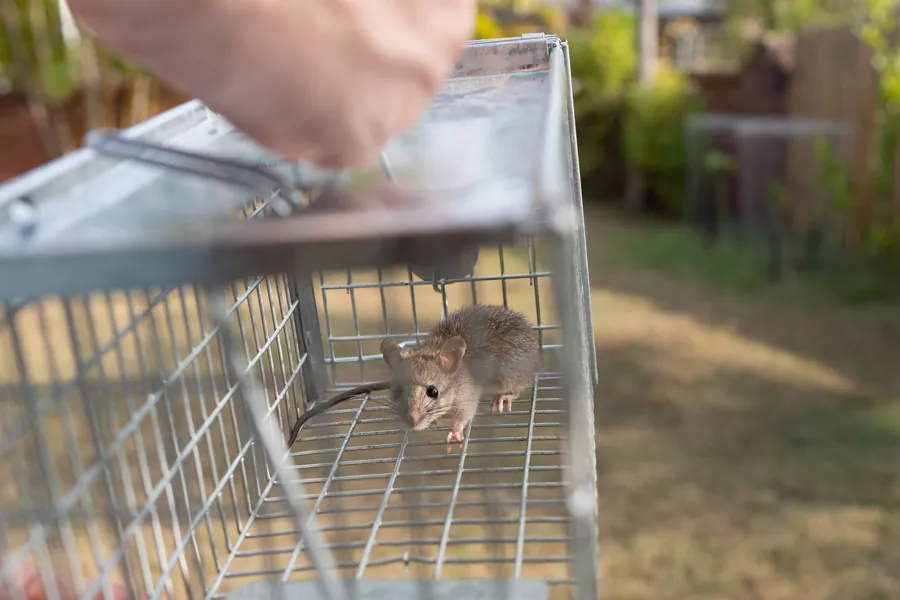
Loxahatchee equestrian-adjacent properties deal with barn rodents (hay, grain, feed bins are magnets). Conventional residential pest programs aren't sized for this. We do exterior bait stations every 30 ft along the building line, sealed grain storage recommendations, and snap traps inside the tack room.
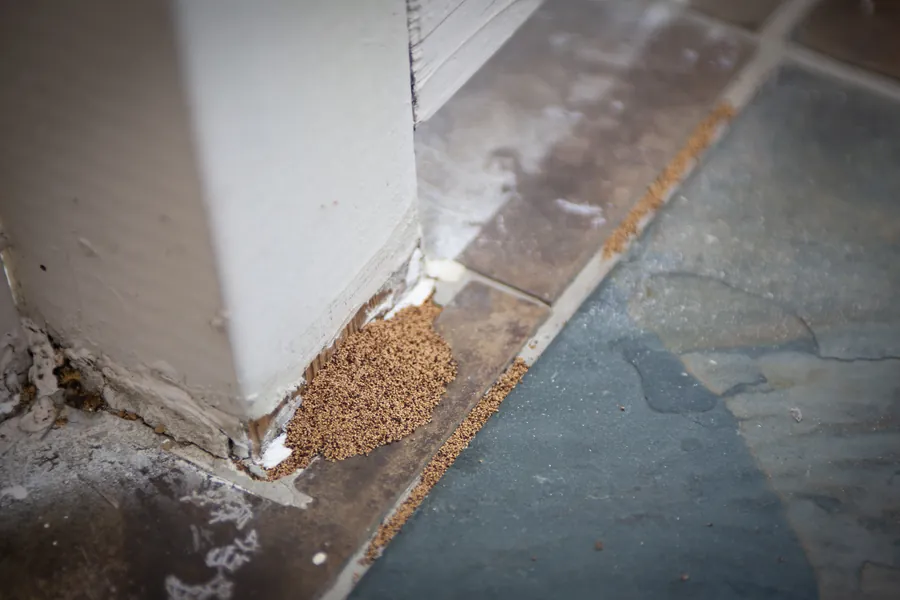
Loxahatchee's 1990s–2010s slab construction sees subterranean termite pressure — and acreage homes often have detached garages and pool sheds with their own slab penetrations. Termidor SC liquid soil barrier on all structures.
Bahia and St. Augustine on acreage lots needs different fertilization than residential. Pasture-grade fertilization, fire-ant pasture broadcast, and weed pressure (torpedo grass, pigweed). Quoted by acreage.
In 2005 a Loxahatchee customer hired DeBugem for fire ant pasture work. Dale showed up with residential equipment and got an education. Twenty years later we have the only PBC pest company with a dedicated acreage protocol — pasture-grade chemistry, FWC wildlife permits, and a barn-experienced tech on the team. Dale still does the initial walk-through on every Loxahatchee acreage job.
Yes. Live traps, humane removal, and we follow Florida FWC relocation rules. We never poison wildlife. We never trap protected species (bobcats, panthers, etc.) — those calls go directly to FWC. For raccoons, opossums, and armadillos, we relocate to a permitted release site outside PBC.
How fast can you get to my Loxahatchee home?
55 minutes average door-to-door from our Lake Worth Beach shop. Loxahatchee is the farthest west we routinely service. Our two trucks cover acreage and residential routes Mon–Fri (Saturday emergency response).
I have a pasture full of fire ant mounds — how do you treat?
Broadcast bait (Extinguish Plus) across the pasture acreage. Workers carry it back to the queens. Twice a year — March (build-up season) and September (fall reduction). Pet-safe once it's been on the ground 30 minutes. Quoted by acreage; typical 5-acre property is $280–$420 per application.
Do you treat horse barns?
Yes. We have a dedicated equestrian-property protocol — exterior bait stations every 30 ft, sealed grain storage recommendations, snap traps in tack rooms (never bait blocks inside any structure). Coordinated with your barn manager for timing.
An armadillo is digging up our lawn nightly.
Armadillos forage at night for grubs and earthworms. Live trap, relocation. We also recommend a one-time grub treatment (since the armadillo is just chasing them). Average call $180–$320.
Is mosquito misting worth it on acreage?
Usually not — acreage is too open for perimeter misting to be cost-effective. We do barrier spray + larvicide on standing water + In2Care stations at strategic perimeter points instead. Costs less, covers more.
Loxahatchee pest research
Acreage properties have a unique pest profile.
Our Loxahatchee treatment plans reference UF/IFAS livestock pest publications, FWC nonnative wildlife protocols, and EPA-registered livestock product registrations. Here's the published science we work from.
Fire ants on pasture
Twice-yearly broadcast for acreage.
UF/IFAS publication ENY-200 specifies twice-yearly Extinguish Plus broadcast (March + September) for fire ant suppression on pastures and 2+ acre lots. Loxahatchee's signature large-lot acreage profile matches exactly. Pet- and livestock-safe within 30 minutes.
Loxahatchee's proximity to Loxahatchee Slough and Corbett Wildlife Management Area means regular wildlife encounters — green iguanas, snakes, raccoons. FWC authorizes humane removal of nonnatives year-round; native wildlife requires FWC-permitted relocation. We follow both protocols.
UF/IFAS rural pest management research identifies septic field lines and well-cap penetrations as the dominant rodent entry points on acreage properties. Snap-trap-and-seal exclusion (not bait) is the only published-supported approach for large-lot rural homes.