Discreet pest control for Manalapan oceanfront estates.
Manalapan is one of the smallest and wealthiest enclaves in PBC — under 500 households spread across coastal estates between the Atlantic and Hypoluxo Island. Pest pressure is real (salt-air subterranean, dune-edge mosquito, occasional sand fly), but discretion matters as much as the work itself. Unmarked vehicle on request.
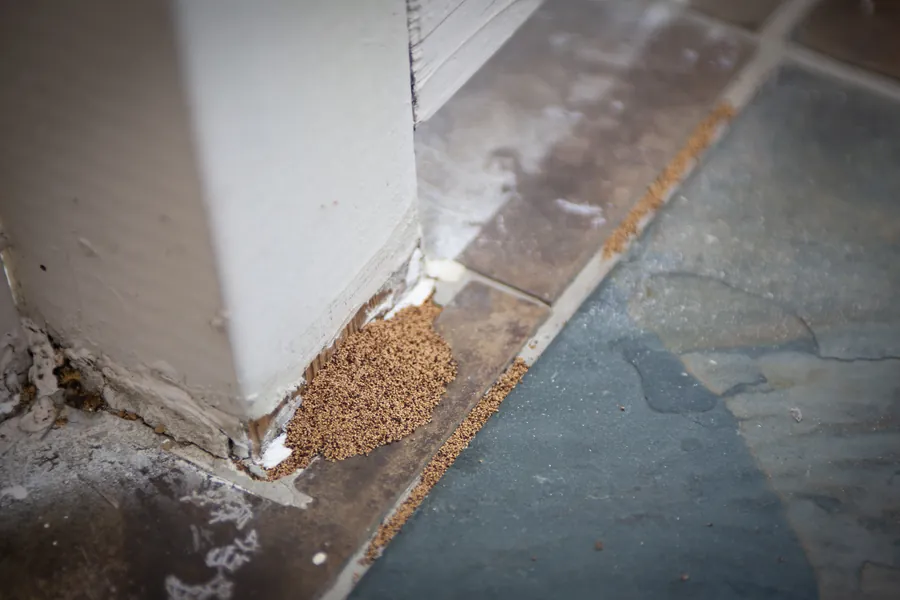
Salt corrodes slab penetrations 2–3× faster than inland. Manalapan oceanfront homes need the Termidor barrier checked at year 5–6 (sooner than inland). If termites come back during the warranty period, we come back.
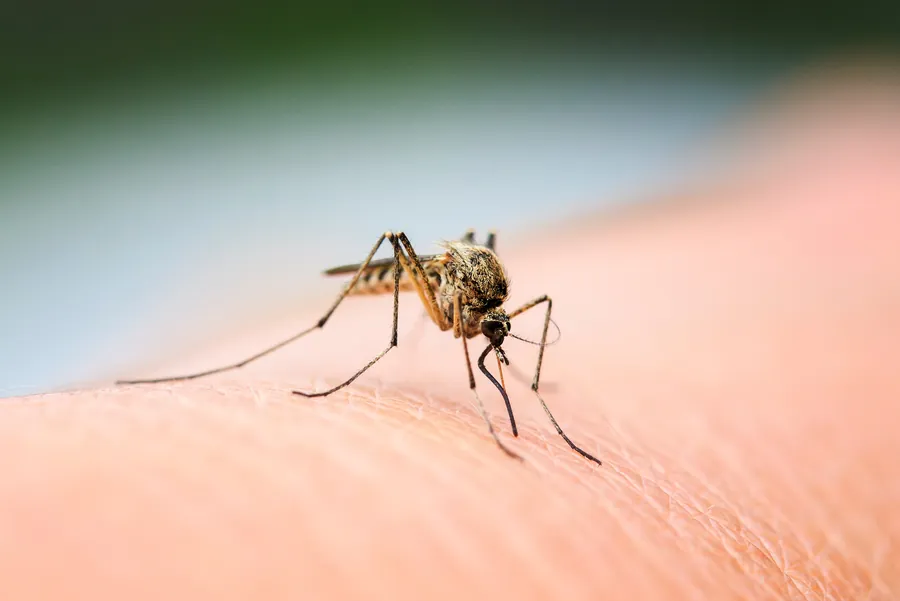
Dune-edge wetlands generate sustained breeding plus no-see-ums in damp mulch. Barrier spray + In2Care + granular mulch treatment. Misting systems common on screened patios here.
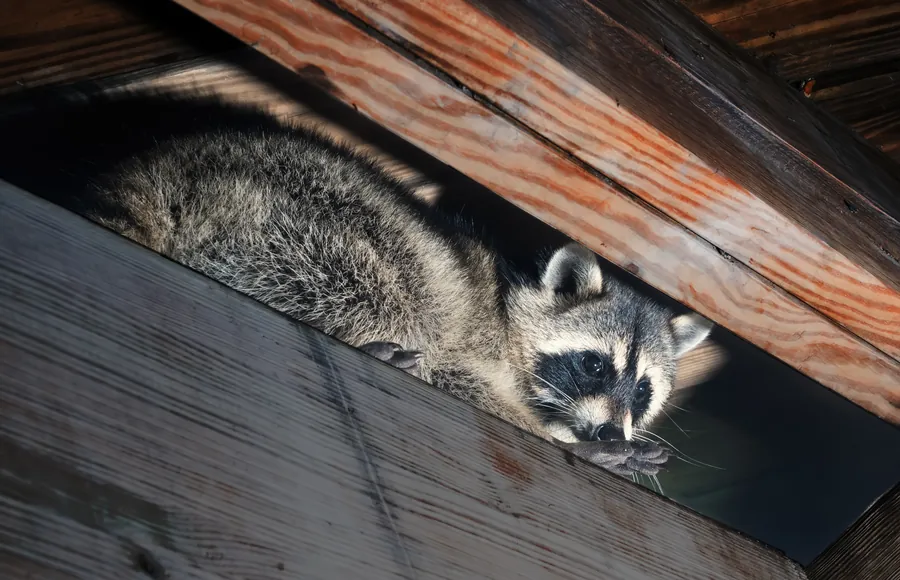
Pool-screen iguana damage and trash-bin raccoons are routine on coastal estate properties. Live trap, humane removal, FWC permit-coordinated. Pool screen exclusion.
Unmarked vehicle on request — plain navy panel van, no logos. Tech wears unbranded navy work clothing. We never publish client names. NDA available.
What about the salt-air on my exterior bait stations?
We use marine-grade stainless steel stations on oceanfront properties. Costs more upfront but lasts 5+ years instead of 18 months in salt air.
How fast can you get to Manalapan?
20 minutes average door-to-door from our Lake Worth Beach shop. Same-day for emergencies; next-day for booked inspections.
Manalapan pest research
Beachfront-estate pest pressure, sourced.
Manalapan's Ocean Blvd estate corridor has a pest pressure profile distinct from mainland PBC. Our treatment plans reference UF/IFAS coastal entomology and FWC nonnative wildlife protocols.
Drywood termites
Estate construction with exposed framing.
UF/IFAS drywood termite research identifies cypress, pecky cypress, and old-growth pine framing — characteristic of Manalapan beachfront estate construction — as among the highest drywood termite habitats in coastal Florida. TermTrak scanner radar finds galleries non-invasively.
Florida FWC classifies green iguanas as non-native invasive. Manalapan's A1A seawalls and Lake Worth Lagoon edges are designated FWC-priority removal zones. We follow FWC humane handling protocols on every job.
UF/IFAS coastal entomology research documents that salt-air microclimates suppress German roach pressure but elevate Formosan termite, springtail, and salt-marsh mosquito populations. EPA-registered marine-grade chemistry with sodium-tolerant active ingredients is our standard for Manalapan estates.