Coastal pest control for Ocean Ridge dune-edge homes.
Ocean Ridge sits between Boynton Inlet and Briny Breezes — a thin coastal strip of single-family homes and small condos along A1A. Salt-air subterranean termite pressure, dune-edge mosquitoes and no-see-ums, and wildlife from the dune scrub. Marine-grade chemistry on every coastal job.
Coastal specialists30 min from our shop5.0★ on Google
Service hub: A1A · Boynton Inlet
● Coastal Termite Specialists● No-See-Um Programs● Marine-Grade Chemistry● Same-Day Service
Neighborhoods we serve
Same crew, every Ocean Ridge address.
A1A oceanfront · 33435Ocean Ridge Village · 33435Boynton Inlet area · 33435Briny Breezes border · 33435
Ocean Ridge pest profile
Dune-edge coastal pressure.
#1
Salt-air termites
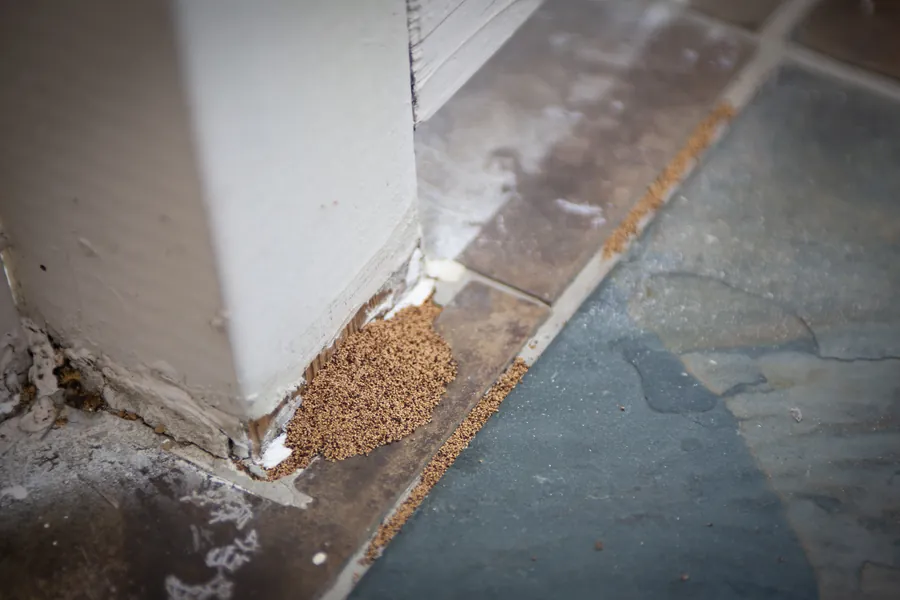
Salt corrodes slab penetrations 2–3× faster than inland. Ocean Ridge oceanfront homes need the Termidor barrier checked at year 5–6. If termites come back during the warranty period, we come back.
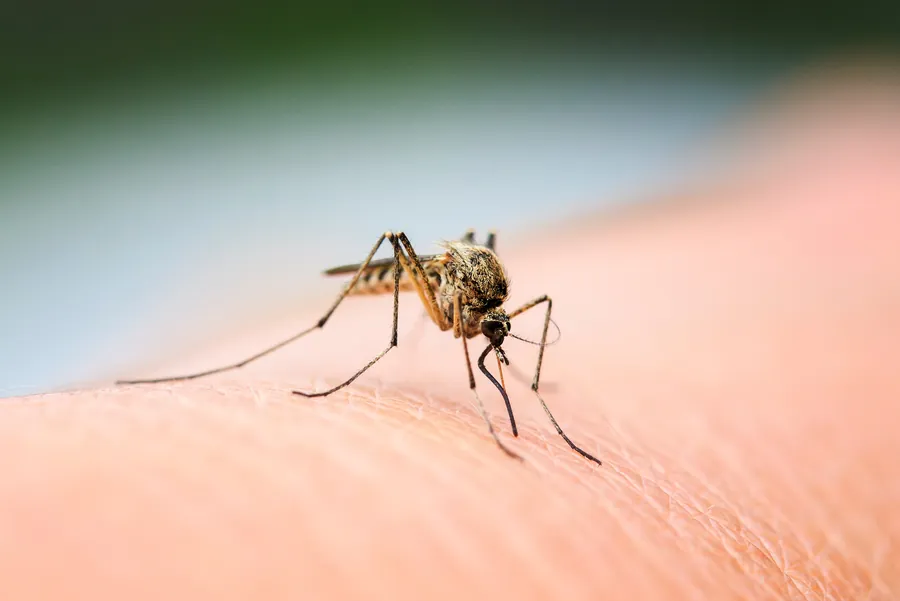
Dune-edge homes get heavy biting midge (no-see-um) pressure plus normal mosquito issues. Barrier spray + granular mulch treatment for no-see-ums + In2Care.
No-see-ums (biting midges) breed in damp soil and mulch. Standard mosquito barrier spray helps but doesn't eliminate. We add a granular treatment in mulch beds and recommend gravel-pad replacement at high-density spots.
Sea turtles? Are you compliant?
Yes. We never apply lighting-attracting treatments during turtle nesting season (March 1 – October 31) and never disturb dune vegetation that hosts protected nesting habitat.
How fast can you get to Ocean Ridge?
30 minutes average door-to-door from our Lake Worth Beach shop. Same-day for emergencies.
Ocean Ridge pest research
Ocean Ridge's barrier-island pest profile.
A narrow A1A coastal town between Boynton Inlet and Briny Breezes has a distinct pest pressure profile. Our treatment plans reference UF/IFAS coastal entomology and FWC nonnative wildlife protocols.
Drywood termites
Coastal home older-construction profile.
UF/IFAS drywood termite research identifies pre-1990 coastal home construction — predominant in Ocean Ridge's A1A corridor — as a documented drywood termite habitat. Coastal salt-air does not deter drywood activity. TermTrak scanner radar finds galleries non-invasively.
Florida FWC classifies green iguanas as non-native invasive. Ocean Ridge's Boynton Inlet seawalls and Lake Worth Lagoon edges are designated FWC-priority removal zones. We follow FWC humane handling protocols on every job — never poisoning, never trap-and-release.
Palm Beach County Mosquito Control identifies the A1A coastal corridor — including Ocean Ridge — as a year-round Aedes taeniorhynchus salt-marsh breeding zone. EPA-registered Bti larvicide is the published-supported approach for coastal residential application.