Pest control built around Wellington equestrian properties & estates.
Wellington isn't a normal residential market. The barns, paddocks, hot-walkers, hay storage, and 5+ acre lots create pest pressure most exterminators have never thought about — barn rodents, stable flies, fire ants in turnouts, and sport-turf programs for the polo grounds. Three current Wellington equestrian customers. Plus the Olympia, Binks Forest, and Versailles family neighborhoods.
Equestrian-property work and family-neighborhood work need different kits. We bring the right gear for the job — barn-rodent setup for the equestrian estates, residential treatment for Olympia and Binks Forest.
Olympia · 33414Binks Forest · 33414Versailles · 33449The Landings · 33414Lake Wellington · 33414Aero Club · 33470Saddle Trail Park · 33414Equestrian Club · 33414Palm Beach Polo · 33414Mallet Hill · 33414Black Diamond · 33414Sugar Pond Manor · 33414Greenview Shores · 33414Buena Vida · 33414Wycliffe Country Club · 33449Loxahatchee · 33470
Wellington-specific pests
What's actually happening on your Wellington property.
Wellington's split between equestrian estates and conventional family neighborhoods means we run two different protocols depending on which side of Forest Hill you're on.
#1 in Wellington barns
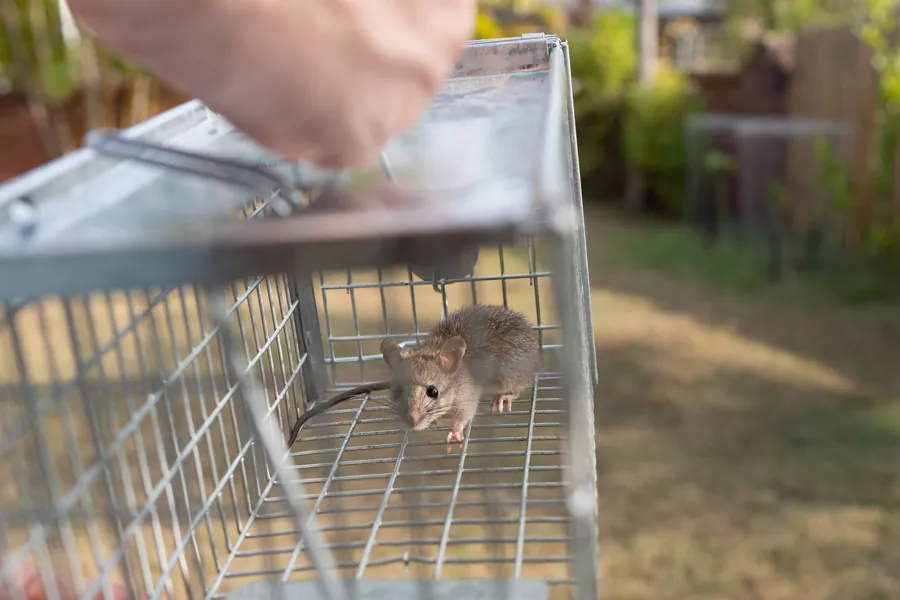
Barn & tack-room rodents
Hay, grain, and feed bins are rodent magnets. Conventional residential pest programs aren't sized for barn-scale problems. We do exterior bait stations every 30 ft along the building line, sealed grain storage recommendations, and snap traps inside the tack room. Every visit logged for IRS feed-loss documentation.
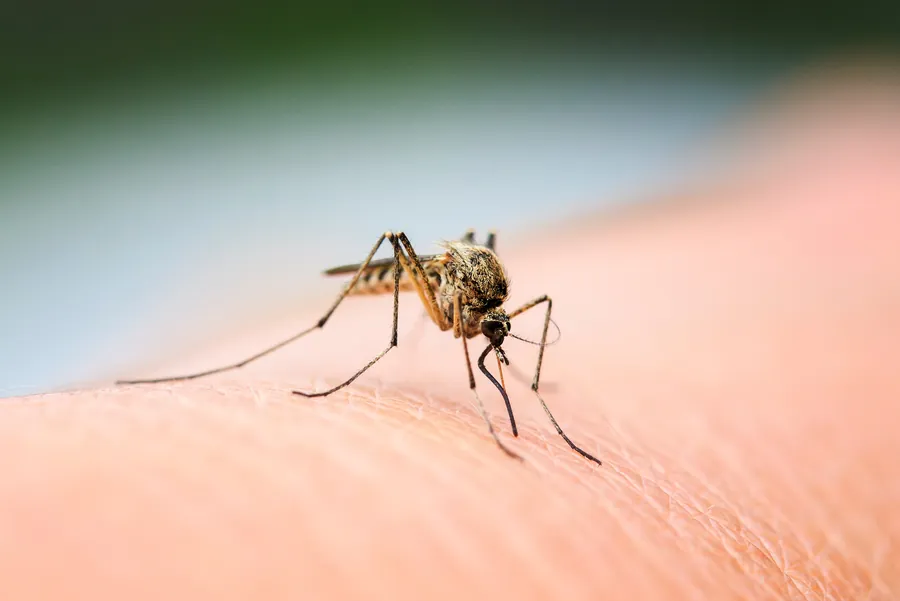
Stable flies breed in damp manure piles. Without proper management they make horses miserable and reduce performance. We pair manure-pile larvicide treatment with perimeter barrier spray for adult flies and mosquitoes. Twice-monthly during summer.
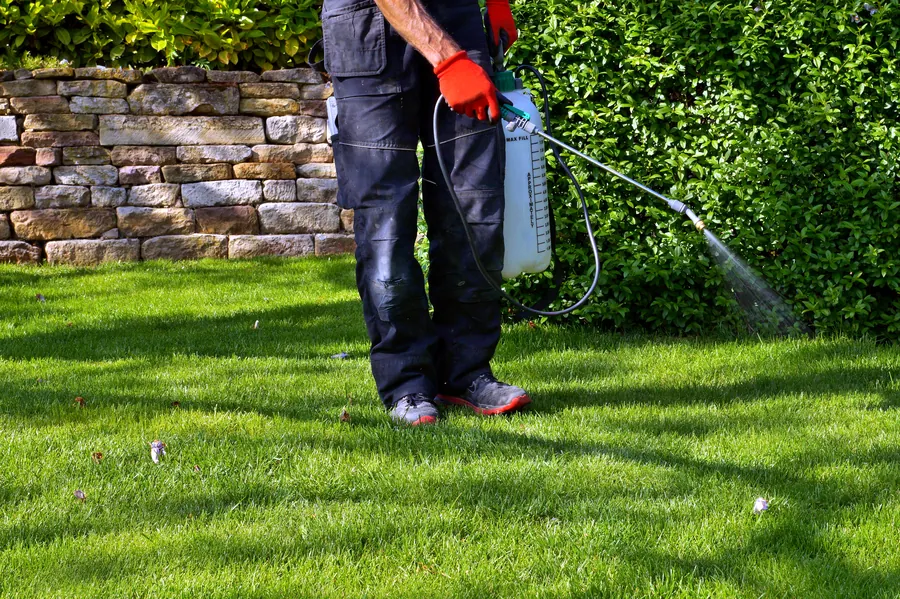
Polo fields, derby arenas, and high-end residential lawns need fairway-grade fertilization and pest control. Tighter cadence than residential, soil-tested per cycle, micronutrient-balanced for performance turf. Three Wellington properties currently on this tier.
Fire ants in horse turnouts are a real safety issue — animals don't see the mounds and stings can cause panic. We broadcast Extinguish Plus across pasture acreage twice a year (March + September). Workers carry it back and the queens die in 4–6 weeks.
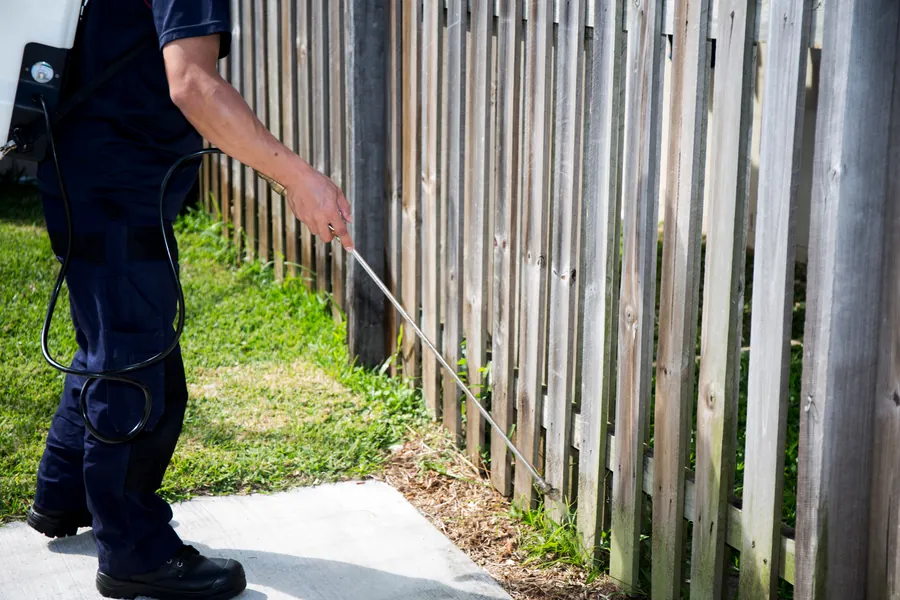
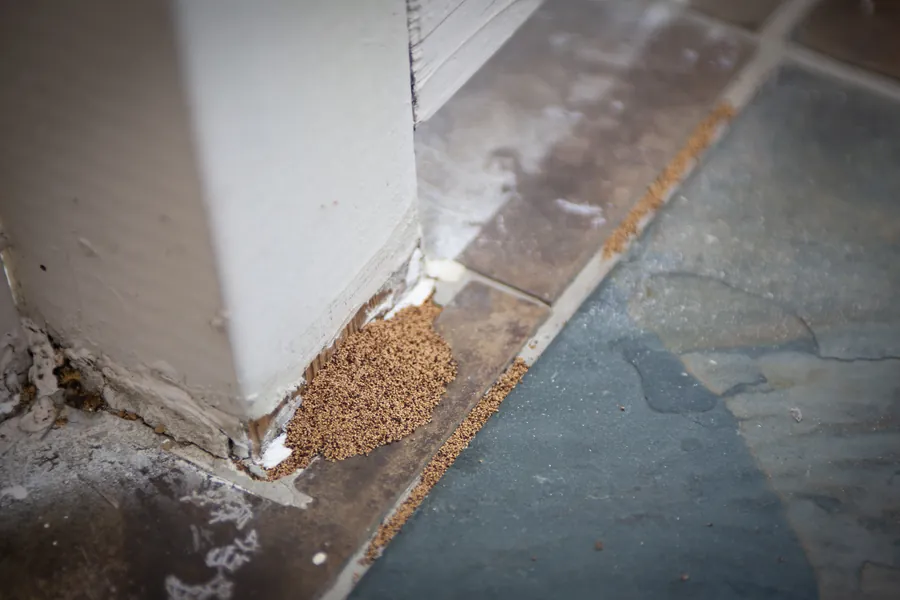
Wellington's family neighborhoods (Olympia, Binks Forest, Versailles) are mostly 1990s–2000s slab construction with subterranean termite pressure. Termidor SC liquid soil barrier treatment, 8–10 year protection. If termites come back during the warranty period, we come back.
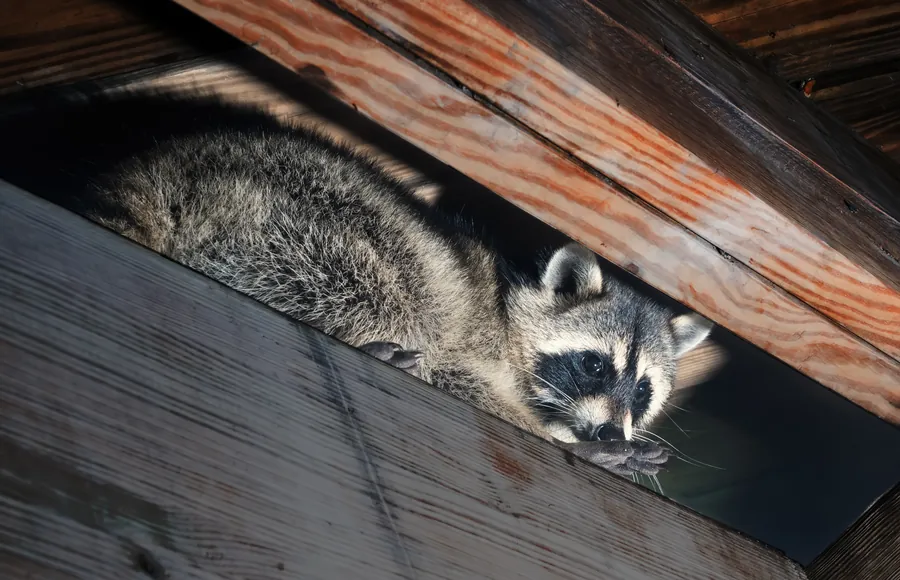
Aero Club, Mallet Hill, and the western Wellington fringe deal with feral wildlife — including occasional feral hog and bobcat sightings. We do live trapping, humane removal, and FWC permit coordination. Boundaries-aware: we never trap protected species.
Dale Martin learned the equestrian work the hard way.
In 2003 a Wellington customer hired DeBugem for an 8-stall barn. Dale showed up with a residential kit and got an education. Twenty-two years later we're the only PBC pest control company with a dedicated equestrian-property protocol. Three current Wellington estate clients including a polo property. Dale still does the initial walk-through on every barn job himself.
Are your barn rodent treatments safe around horses?
Yes. Exterior bait stations are tamper-resistant and locked — horses can't access bait. Interior tack-room treatment is snap traps only (no anticoagulant bait inside any structure). We never apply spray inside the barn during operating hours, and we coordinate with your barn manager for timing.
What about the manure pile fly issue?
Stable fly larvae develop in wet manure. Three-pronged approach: (1) recommend manure management adjustments to your barn manager, (2) larvicide application on the pile, (3) perimeter barrier spray for adult flies. Twice-monthly during summer. Most barns see 70%+ reduction in stable fly counts within 3 weeks.
Do you do polo fields and derby arenas?
Yes. Sport-turf grade fertilization plus pest control. Different cadence and product profile than residential. Tighter pH targets, micronutrient-balanced, often Bermuda or Bermuda-blend cultivars rather than St. Augustine. We currently service three Wellington sport-turf properties.
How fast can you get to Wellington?
45 minutes average door-to-door from our Lake Worth Beach shop in 2024. Wellington is the farthest west we routinely service in PBC. Our two trucks cover equestrian-property and residential routes Mon–Fri (Saturday emergency response).
I have an iguana in the pool screen.
Common Wellington problem. Live trap (lettuce + heat-lamp baited), humane removal, and screen-frame exclusion (chicken wire below frame). FWC permit-coordinated. Average call $145–$280 depending on iguana size and pool screen access.
Are you used to working around horses?
Yes. Our equestrian techs (two of them) are former barn workers who came into pest control. They know not to walk behind a horse without warning, why hose noise spooks some animals, and when to come back if the farrier is on-site. Different work, different etiquette.
Wellington pest research
Equestrian properties have a different pest profile.
Our Wellington treatment plans reference UF/IFAS livestock pest research, EPA-registered livestock product registrations, and FDACS pasture broadcast guidelines. Here's the published science we work from.
Fire ants on pasture
UF/IFAS broadcast schedule for acreage.
UF/IFAS publication ENY-200 specifies twice-yearly Extinguish Plus broadcast (March + September) for fire ant suppression on pastures and acreage. Our Wellington equestrian service follows this exact protocol — pet- and livestock-safe within 30 minutes of application.
UF/IFAS Veterinary Entomology research documents stable fly and horn fly populations as the highest production-loss pests for equestrian operations. We use EPA-registered fly traps and treated baits per published livestock pest IPM guidance — never spraying horse-contact zones.
EPA registers Bti (Bacillus thuringiensis israelensis) as the only larvicide approved for water sources where livestock drink. We use Bti tablets on every horse trough and standing water source on Wellington equestrian properties — proven safe per EPA registration.