Pest control for the South Palm Beach condo strip.
South Palm Beach is a half-mile-long coastal village south of the Town of Palm Beach — almost entirely 1970s–80s oceanfront condo high-rises along A1A. Pest pressure is condo-specific: German roaches between units, salt-air subterranean termites in the building envelopes, and Intracoastal mosquitoes off the back of the strip.
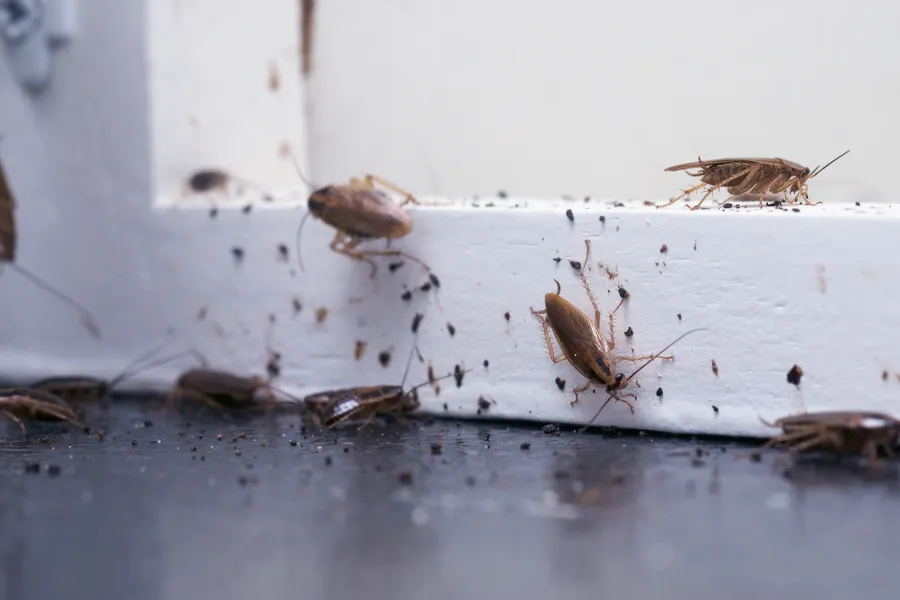
Older A1A towers see German roach issues that travel between units through shared plumbing and trash chutes. Building-wide gel bait protocol coordinated with property management.
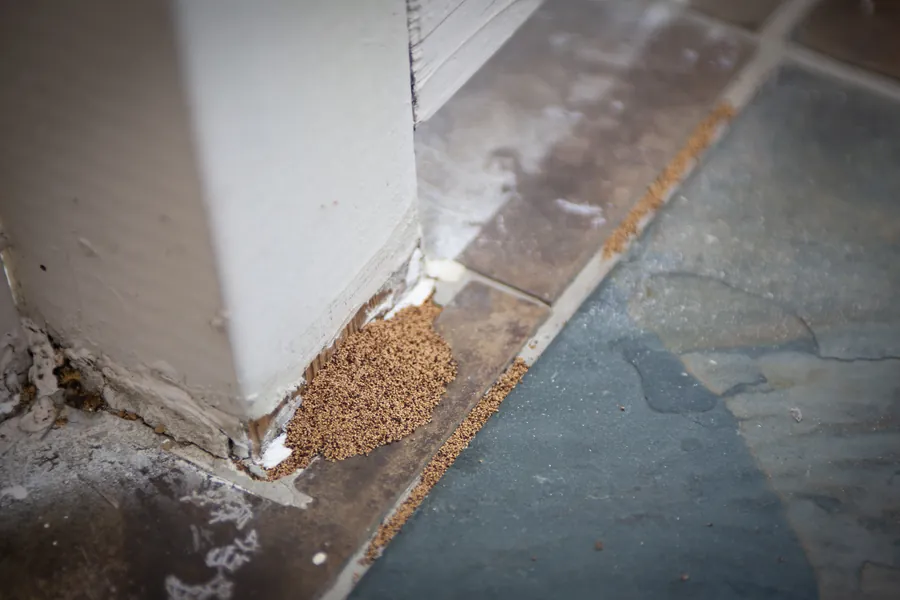
Salt corrodes condo building envelopes, opening termite entry points around foundations and pool decks. Termidor SC liquid soil barrier on the building exterior. If termites come back during the warranty period, we come back.
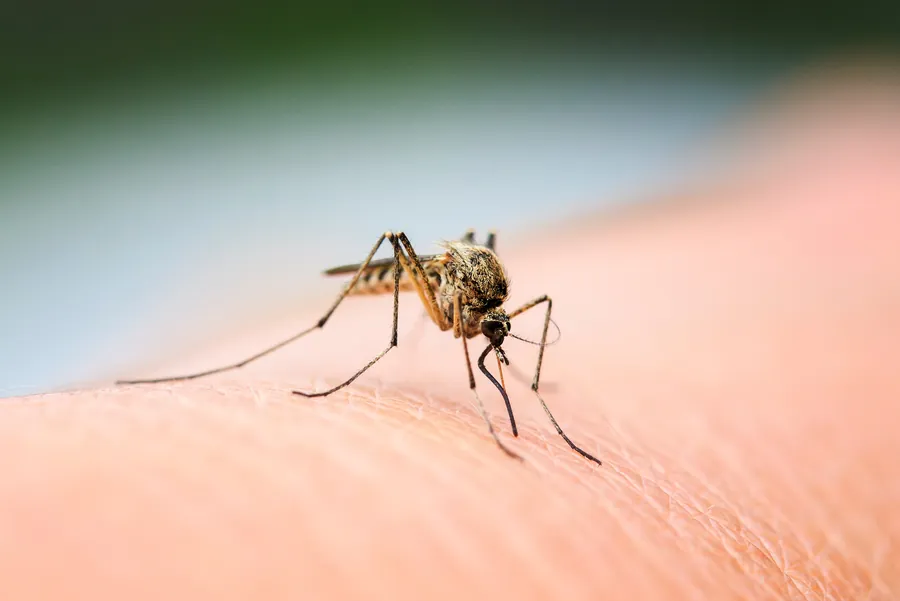
Back-of-strip Intracoastal-edge buildings see heavy summer mosquito pressure. Barrier spray + In2Care station programs Apr–Nov for pool decks and amenity areas.
Yes — that's our specialty for high-rise condo work. Coordinated with property management, scheduled all units in 2–3 weeks, gel bait in every unit, follow-up at day 14 and day 28.
How fast can you get to South Palm Beach?
25 minutes average door-to-door from our Lake Worth Beach shop. Same-day for emergencies; same-day if you call before noon.
What about salt corrosion on bait stations?
Marine-grade stainless steel stations on oceanfront properties — costs more upfront but lasts 5+ years instead of 18 months.
South Palm Beach pest research
Condo-tower coastal pest pressure, sourced.
A narrow A1A condo strip has a distinct pest pressure profile — drywood in older towers, salt-marsh mosquitoes, iguanas on seawalls. Our treatment plans reference UF/IFAS Extension and FWC research.
Drywood termites
Older condo-tower construction.
UF/IFAS drywood termite research identifies pre-1990 condo construction with exposed-rafter or attic-cavity design — common in older South Palm Beach towers — as a documented drywood termite habitat. TermTrak scanner radar finds activity through plasterboard non-invasively.
Palm Beach County Mosquito Control identifies the Lake Worth Inlet zone — South Palm Beach's southern boundary — as a year-round Aedes taeniorhynchus salt-marsh breeding source. EPA-registered Bti larvicide on standing water is the published approach.
Florida FWC classifies green iguanas as non-native invasive and authorizes humane removal year-round on private property. South Palm Beach's A1A seawalls and condo gardens are designated FWC-priority removal zones. We follow FWC handling protocols on every job.